How Long Does Exterior Paint Last on a House in Burnsville, Minnesota?
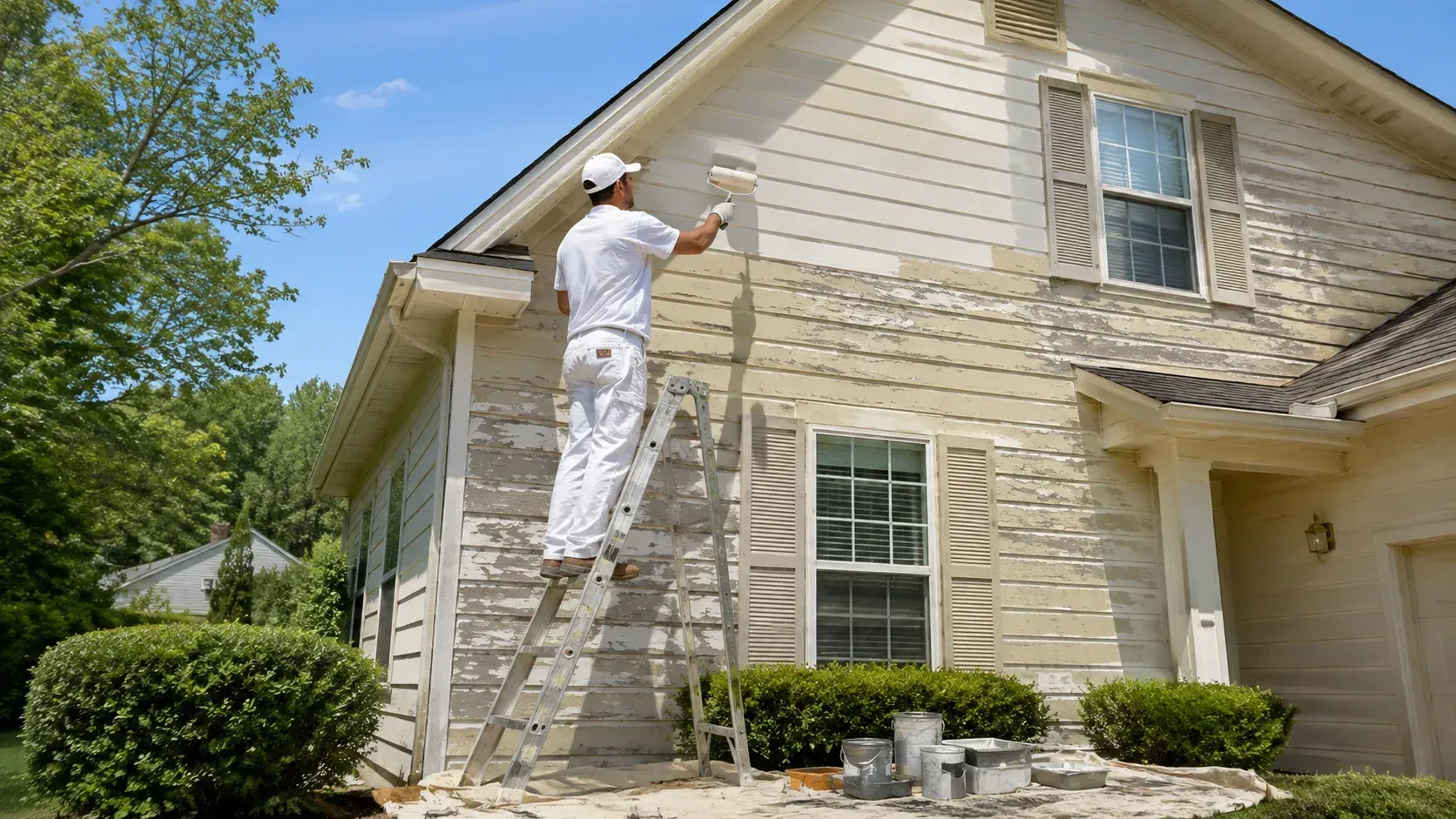
Table of Contents
- Introduction
- How Long Exterior Paint Typically Lasts in Minnesota
- Why Minnesota's Climate Is Hard on Exterior Paint
- Factors That Affect How Long Paint Lasts
- Signs It's Time to Repaint Your Exterior
- How to Get More Life Out of Your Exterior Paint
- What Happens If You Wait Too Long to Repaint
- Conclusion
- Wondering If Your Home Is Due for a Fresh Coat?
- Frequently Asked Questions
Key Takeaways
- Exterior paint on a Burnsville home typically lasts 5 to 10 years, with wood siding on the shorter end and fiber cement or stucco lasting longer.
- Minnesota's freeze-thaw cycles, UV exposure, and moisture are the main factors that break down exterior paint faster than in milder climates.
- Paint quality, surface preparation, and application conditions matter more than the brand name on the can.
- Peeling, cracking, fading, and chalking are the main visual signs that a repaint is overdue.
- Waiting too long to repaint can lead to wood rot, moisture intrusion, and more expensive repairs beyond just the paint itself.
Introduction
Exterior paint on a house in Burnsville typically lasts between 5 and 10 years, depending on the siding material, paint quality, surface preparation, and how well the original job was done. Wood siding tends to fall toward the lower end of that range, while fiber cement, stucco, and masonry often hold up longer.
For Burnsville homeowners, this range matters because paint is not just about looks. A sound coat of paint protects siding from moisture, rot, and the constant freeze and thaw of Minnesota winters. When it starts to fail, the damage can move from the paint into the material underneath, which is why exterior painting is treated as ongoing maintenance rather than a one-time job.
How Long Exterior Paint Typically Lasts in Minnesota
The general range is 5 to 10 years, but that spread is wide enough to be worth narrowing by surface type.
Wood siding is the most demanding surface. It absorbs and releases moisture with seasonal changes, which causes paint to expand, contract, and eventually peel. A well-prepared and properly painted wood exterior in Burnsville typically lasts 5 to 7 years before peeling or significant fading becomes noticeable.
Fiber cement siding holds paint better because it is dimensionally stable — it does not expand and contract the way wood does. A good paint job on fiber cement can last 8 to 12 years or more with proper prep.
Stucco and masonry are durable surfaces that hold paint well, often in the 8 to 10-year range, though they require specific paint products and application methods to avoid trapping moisture.
Previously painted surfaces with multiple old paint layers can develop adhesion and peeling issues sooner, since each added layer increases the stress from expansion and contraction.
Why Minnesota's Climate Is Hard on Exterior Paint
Most of the country's exterior paint advice is written for milder climates. Burnsville is not a mild climate, and the conditions here affect paint differently.
Freeze-Thaw Cycles. Water gets into the siding, expands when it freezes, and contracts when it thaws. This happens repeatedly through fall and spring, and each cycle stresses the paint film. Over several years, that stress causes cracking and peeling, especially where moisture can penetrate through gaps or end grain.
UV Exposure. Minnesota summers bring significant UV intensity, which breaks down paint binders over time, causing fading and chalking. South- and west-facing surfaces take the most UV damage and typically show wear sooner than north-facing sides.
Temperature Extremes. Going from -20°F in winter to 90°F in summer is a 110-degree swing. Paint expands and contracts with temperature, and that range is larger than most coatings are designed to handle year after year without eventually losing adhesion.
Spring Moisture. Snowmelt and spring rain put significant moisture on siding at the same time temperatures are fluctuating. This is when peeling typically becomes most visible, since the paint that survived winter is now dealing with wet wood and temperature swings at the same time.
Factors That Affect How Long Paint Lasts
Climate is the constant, but these variables determine whether your paint job ends up at the 5-year or 10-year end of the range.
Surface Preparation. This is the most important factor, and the one most often done poorly on quick jobs. Proper prep includes cleaning, scraping failed paint, sanding rough spots, priming bare wood, and caulking gaps. Paint applied over dirty, peeling, or unprepared surfaces will fail early regardless of the paint quality.
Paint Quality. Higher-quality exterior paints contain more binder, better pigments, and additives that resist UV and moisture. They cost more per gallon but significantly outperform budget options over time. In a climate like Burnsville's, the difference in longevity between a quality paint and a cheap one is more pronounced than it would be in a milder area.
Application Conditions. Higher-grade acrylic paints flex with the siding and resist UV better than budget products. The sheen matters too. Satin and semi-gloss paint finishes shed water and clean more easily than flat finishes, though flat hides surface flaws better. The right choice depends on the siding and the look you want.
Number of Coats. Two coats over a proper primer is the standard for a reason. A single coat, especially on bare or weathered wood, does not provide adequate coverage or protection.
Sun Exposure. South- and west-facing surfaces degrade faster from UV. If you notice one side of your house showing wear before others, this is why.
Signs It's Time to Repaint Your Exterior
You do not need to wait until the siding is rotting to know repainting is due. These are the signs that paint has reached the end of its effective life.
Peeling or Flaking. Paint that peels away from the surface has lost adhesion. This is the most obvious sign and usually means the underlying wood is being exposed to moisture. Once peeling starts, it tends to spread.
Cracking or Checking. Fine cracks across the paint surface, called checking, indicate the paint film has dried out and lost flexibility. Left unaddressed, these cracks allow water in and lead to deeper damage.
Fading. Significant color fading, especially on sun-exposed sides, means the paint's pigments and binders have degraded. Faded paint is also losing its protective properties, not just its appearance.
Chalking. Running your hand along the siding and finding a chalky residue means the paint surface is breaking down. A small amount of chalking is normal as paint ages, but heavy chalking indicates it is past its effective life.
Bare Wood or Exposed Areas. Any area where raw wood is visible needs immediate attention. Bare wood absorbs moisture and is vulnerable to rot.
Caulk Failure. Cracked or missing caulk around windows, doors, and trim allows water behind the siding. Repaint projects should always include recaulking these areas. Regular exterior painting is an important part of home maintenance because these small issues tend to spread. A patch of peeling paint left alone can let water reach the wood, which turns a repaint into a repair.
How to Get More Life Out of Your Exterior Paint
You cannot change the climate, but you can make choices that push your paint job toward the longer end of the lifespan range.
Choose a quality exterior paint rated for cold climates and UV exposure. Products formulated for the upper Midwest are worth using over general-purpose exterior paints. Ask your painter which products they use and why.
Insist on thorough preparation before any painting begins. The preparation often takes longer than the painting itself on an older home, and that is appropriate. Skipping prep to save time is the most common reason exterior paint jobs fail early.
Paint in the right conditions. Avoid painting late in the season when temperatures drop below 50°F overnight, and do not paint in direct sun when the siding surface temperature is too high for proper adhesion.
Address small issues before they grow. A few areas of peeling or minor wood damage caught early can be spot-repaired without a full repaint. Regular inspection — especially in spring after the freeze-thaw season — helps catch problems before they spread.
What Happens If You Wait Too Long to Repaint
Delaying a needed repaint is not just a cosmetic issue. Paint is the barrier between your siding and the weather, and when it fails, the siding starts taking damage directly.
Wood rot is the most serious consequence. Once moisture gets into bare or peeling areas regularly, wood begins to decay. Rot requires replacing the damaged boards before painting, which adds cost well beyond what a timely repaint would have been.
Moisture behind siding can also damage sheathing and insulation over time, turning a paint project into a more significant repair job. And a home with visibly failing paint loses curb appeal quickly, which affects both daily appearance and eventual resale value.
The difference between repainting at year 7 and waiting until year 10 or 11 can be the difference between a straightforward paint job and a project that requires rot repair, board replacement, and extensive prep before painting can even begin.
Conclusion
Exterior paint on a Burnsville home typically lasts 5 to 10 years, with the actual lifespan depending on siding material, paint quality, surface preparation, and application conditions. Minnesota's climate puts real stress on exterior paint through freeze-thaw cycles, UV exposure, and temperature extremes, which makes preparation and product quality more important here than in milder areas.
Watching for peeling, cracking, fading, and chalking gives you the practical signal that a repaint is due. Addressing it before the paint fails completely protects the siding and keeps the project scope manageable. Regular attention to the exterior — a walkthrough each spring — is the simplest way to stay ahead of the work.
Wondering If Your Home Is Due for a Fresh Coat?
If you are not sure whether your siding can wait another season or needs attention now, a simple assessment can give you a clear answer. Feel free to contact us with questions or photos of your home's exterior in Burnsville or the surrounding Dakota County area. There is no pressure and no obligation, just straightforward guidance so you can decide what makes sense for your home and budget.
Frequently Asked Questions
Typically 5 to 10 years, depending on the siding material, paint quality, and how well the surface was prepared. Wood siding tends to be on the shorter end, while fiber cement and masonry surfaces can last longer with quality paint and proper prep.
Freeze-thaw cycles cause moisture in the siding to expand and contract repeatedly, which stresses the paint film over time. Combined with temperature extremes between seasons, this breaks down adhesion and causes peeling, especially on wood siding.
Surface preparation. Paint applied over dirty, peeling, or improperly primed surfaces will fail early regardless of quality. Cleaning, scraping, priming, and caulking before painting are what allow the paint to bond and hold up over time.
The practical window is roughly May through early October, when temperatures stay above 50°F overnight. Painting outside this window, especially in spring or fall when temperatures can drop unexpectedly, risks adhesion problems and early paint failure.
Peeling, cracking, significant fading, heavy chalking, visible bare wood, and failed caulk around windows and doors are all signs that the paint has reached the end of its effective life and repainting is needed.
Yes, significantly. Higher-quality paints contain more binder and better UV and moisture resistance. In a climate like Minnesota's, the lifespan difference between a quality exterior paint and a budget product is more pronounced than it would be in a milder area.
Bare or failing paint allows moisture into the siding, which can cause wood rot, damage to sheathing, and more expensive repairs beyond just repainting. Addressing worn paint before the siding deteriorates keeps the project scope and cost manageable.