Why Painting an Exterior House Is an Important Part of Home Maintenance
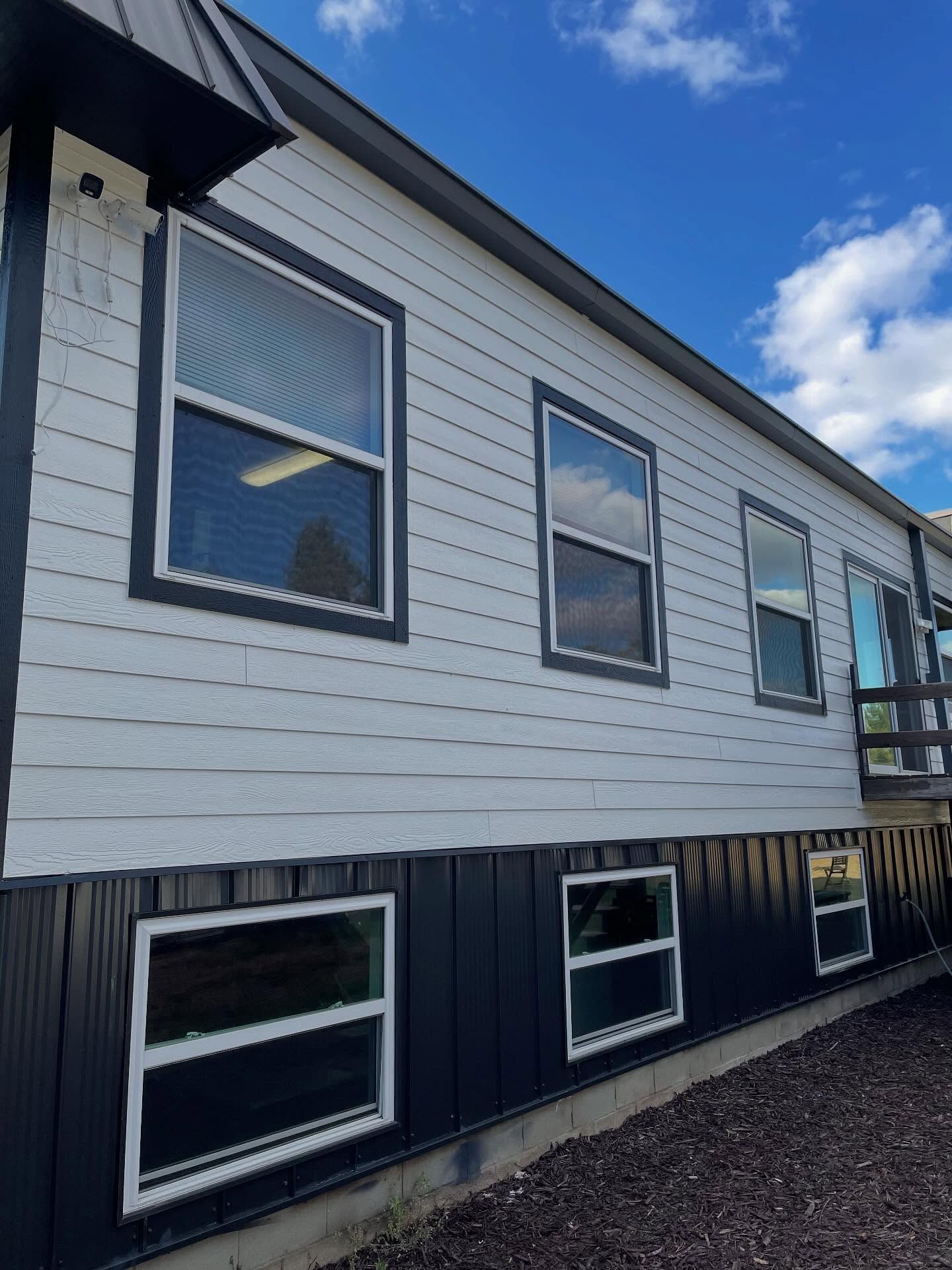
Table of Contents
- Introduction
- Why Exterior Painting Matters in Home Maintenance
- How Weather Exposure Affects Exterior Surfaces
- Moisture, Rot, and Material Deterioration
- The Role of Surface Preparation in Exterior House Painting
- Paint Selection and Its Impact on Longevity
- How Proper Application Supports Long-Term Performance
- Maintenance Cycles and Realistic Expectations
- When Exterior House Painting May Not Be Enough
- Considerations for Homes in Eagan, MN
- Conclusion
- Book a Skim Coating Service
- Frequently Asked Questions
Key Takeaways
- Painting an exterior house plays a protective role in overall home maintenance.
- Exterior house painting helps manage weather exposure and moisture intrusion.
- Surface preparation is as important as paint selection and application.
- Paint does not stop deterioration entirely but can slow predictable wear.
- Regular evaluation supports informed maintenance planning.
Introduction
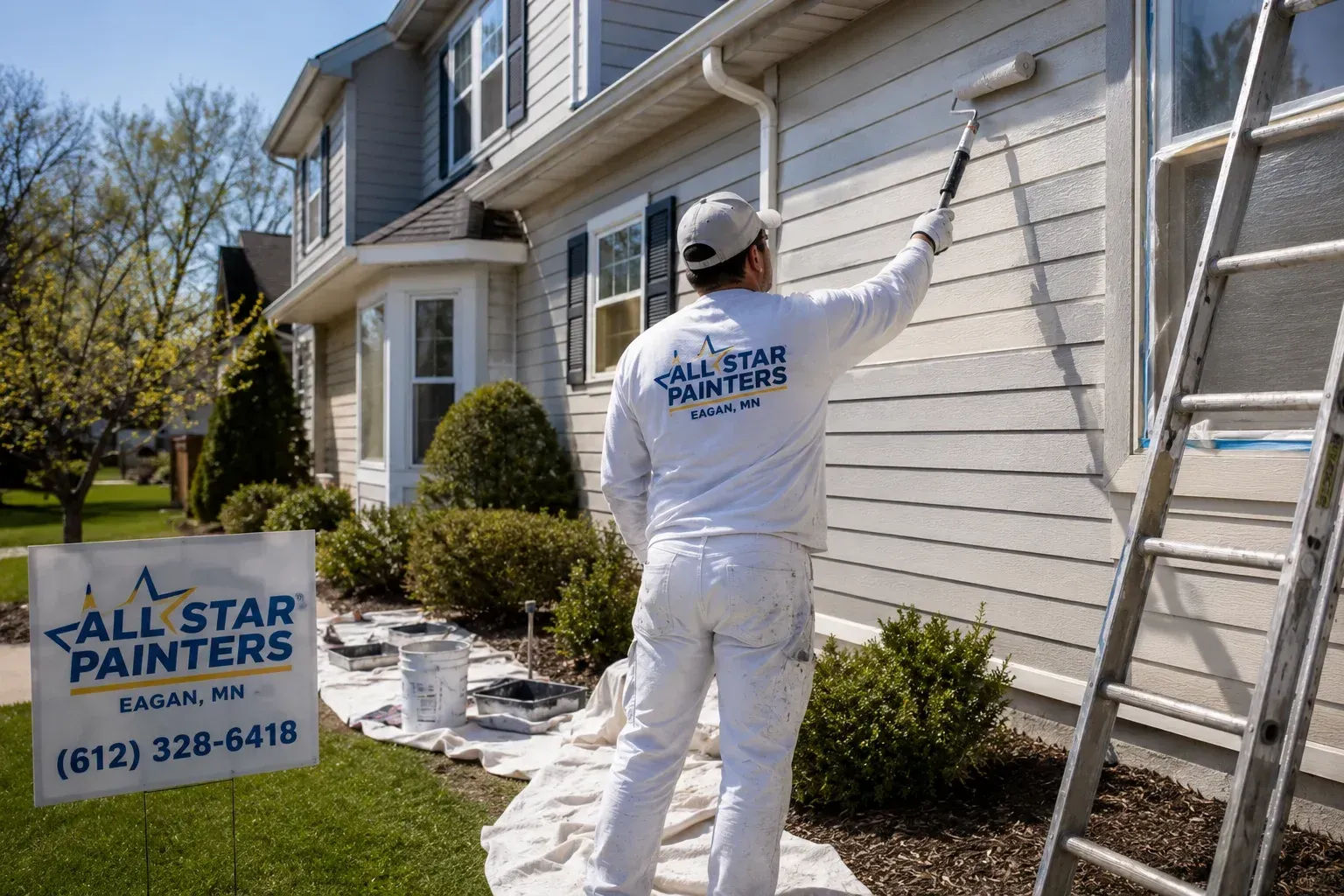
Painting an exterior house is an important part of home maintenance because it helps protect exterior materials from weather exposure, moisture intrusion, and gradual surface deterioration while supporting the long-term care of siding, trim, and structural elements. For homeowners, especially those managing properties in climates with seasonal temperature changes like Eagan, MN, understanding how exterior house painting fits into a broader home maintenance plan supports informed, realistic decisions rather than reactive repairs.
We approach this topic from an educational perspective, drawing on practical experience with exterior surfaces and established best practices in home maintenance. Exterior painting is not a one-time solution, but when done thoughtfully, it contributes to preserving materials, managing risk, and maintaining a well-kept exterior over time.
Why Exterior Painting Matters in Home Maintenance
Exterior surfaces are constantly exposed to environmental stress. Sunlight, precipitation, temperature changes, and airborne debris all interact with siding, trim, and other exterior components. Over time, these factors contribute to fading, cracking, moisture penetration, and surface breakdown.
Painting an exterior house helps create a controlled barrier between building materials and the environment. While paint does not eliminate exposure, it can slow down the rate at which materials absorb moisture or degrade due to UV radiation. As part of routine home maintenance, exterior house painting works alongside inspections, repairs, and cleaning to support predictable upkeep rather than unexpected deterioration.
How Weather Exposure Affects Exterior Surfaces
Sun and UV Radiation
Prolonged sun exposure breaks down many exterior materials. Ultraviolet radiation can fade color, weaken paint films, and dry out wood surfaces. Over time, this can lead to cracking, peeling, or surface erosion.
Exterior house painting provides a layer that absorbs much of this exposure. Lighter colors may reflect more sunlight, while certain paint formulations are designed to manage UV impact more effectively. However, even high-quality paints are subject to wear and require periodic reassessment.
Temperature Fluctuations
In regions like Eagan, MN, seasonal temperature changes cause materials to expand and contract. This movement stresses paint films and underlying substrates. If coatings are brittle or improperly applied, cracking may occur, allowing moisture to reach the surface below.
Painting an exterior house with appropriate products for local conditions supports flexibility and adhesion, which can help manage these temperature-related stresses as part of long-term home maintenance.
Moisture, Rot, and Material Deterioration
Moisture Intrusion Risks
Moisture is one of the most common contributors to exterior material damage. Rain, snow, humidity, and condensation can penetrate unprotected surfaces, particularly around joints, trim, and fasteners.
Exterior house painting helps limit moisture absorption by sealing porous surfaces such as wood or fiber cement. This does not make materials waterproof, but it can reduce prolonged moisture exposure that leads to swelling, softening, or decay.
Rot and Corrosion Concerns
When moisture remains trapped, it creates conditions for wood rot or metal corrosion. Paint systems that include primers and properly sealed edges help slow these processes. Painting an exterior house should always be paired with addressing existing damage, as paint alone cannot correct underlying structural issues.
The Role of Surface Preparation in Exterior House Painting
Cleaning and Inspection
Surface preparation is a foundational step in exterior house painting. Dirt, mildew, chalking, and loose paint prevent proper adhesion. Cleaning allows us to identify cracks, soft spots, or failed caulking that require attention before paint is applied.
From a home maintenance perspective, preparation is where many long-term benefits are determined. Skipping this step often shortens the functional life of the paint system.
Repairs and Priming
Minor repairs, such as replacing damaged trim or filling cracks, help stabilize surfaces. Primers are then used to create a uniform base, improve adhesion, and manage differences between old and new materials.
Painting an exterior house without adequate preparation may result in uneven coverage or premature coating failure, which undermines its role in home maintenance planning.
Paint Selection and Its Impact on Longevity
Matching Paint to Surface Type
Different exterior materials require different paint formulations. Wood, vinyl, aluminum, masonry, and fiber cement each respond differently to coatings. Selecting paint designed for the specific surface supports adhesion and flexibility.
Exterior house painting is most effective when product selection considers both material type and environmental exposure, rather than focusing solely on appearance.
Environmental Considerations
Paint performance is influenced by climate, sun exposure, and moisture levels. In areas with freeze-thaw cycles, paint must accommodate expansion without cracking. Breathable coatings may be appropriate where moisture management is a concern.
These considerations help position painting an exterior house as a technical maintenance task rather than a purely cosmetic update.
How Proper Application Supports Long-Term Performance
Application Methods
The way paint is applied—whether by brush, roller, or spray—affects coverage and film thickness. Consistent application supports even drying and reduces weak points where moisture can enter. Exterior house painting benefits from controlled application conditions, including appropriate temperatures and humidity levels, to support proper curing.
Layering and Dry Time
Most exterior paint systems require multiple coats and adequate drying time between layers. Rushing this process can compromise adhesion and durability. As part of responsible home maintenance, allowing sufficient time for each stage supports predictable performance rather than short-term appearance.
Maintenance Cycles and Realistic Expectations
Painting an exterior house is not a permanent solution. Paint systems age and gradually lose effectiveness due to ongoing exposure. Maintenance cycles vary based on material type, climate, and prior preparation quality.
Regular inspections help homeowners identify when repainting may be appropriate. Viewing exterior house painting as part of an ongoing maintenance schedule supports realistic planning and budgeting rather than reactive repairs.
When Exterior House Painting May Not Be Enough
Structural or Moisture Issues
Paint cannot resolve structural damage, persistent moisture intrusion, or ventilation problems. If siding is deteriorating or water is entering behind walls, these issues must be addressed before painting.
Exterior house painting should be integrated with broader home maintenance evaluations, not used as a substitute for necessary repairs.
Aging Materials
Some older materials may reach a point where replacement is more appropriate than repainting. In these cases, painting may provide short-term coverage but limited functional benefit.
Understanding these limitations supports informed decision-making rather than unrealistic expectations.
Considerations for Homes in Eagan, MN
Homes in Eagan, MN experience seasonal temperature shifts, snow accumulation, and varying humidity levels. These conditions influence how exterior materials age and how paint systems perform.
Painting an exterior house in this region requires attention to surface condition, product selection, and timing. Aligning exterior house painting with local climate patterns supports its role within responsible home maintenance planning.
Conclusion
Painting an exterior house is an important part of home maintenance because it supports surface protection, moisture management, and material preservation when approached with realistic expectations. Exterior house painting works best as part of a broader maintenance strategy that includes inspection, repair, and periodic reassessment. By understanding its role, limitations, and requirements, homeowners can make informed decisions that prioritize long-term care over short-term appearance.
Book an Exterior House Painting Service
For homeowners seeking clear guidance on exterior house painting as part of responsible home maintenance, we provide educational support and professional insight.
You can contact All Star Painters by emailing eloy.allstars@gmail.com or calling (612) 328-6418 to discuss exterior painting considerations for homes in Eagan, MN and nearby areas, with no pressure or obligations.
Frequently Asked Questions
How often does painting an exterior house typically occur?
Repainting frequency varies based on material type, climate exposure, and previous preparation. Inspections help determine appropriate timing rather than relying on fixed schedules.
Does exterior house painting prevent all moisture problems?
No. Paint can reduce surface moisture absorption but does not eliminate moisture risks caused by structural or drainage issues.
Is exterior painting mainly for appearance?
While appearance is a factor, exterior house painting primarily supports material protection and maintenance when done correctly.
Can old paint be painted over?
Only if the existing paint is sound. Peeling, cracking, or chalking surfaces usually require removal or repair before repainting.
Does weather affect when exterior painting can be done?
Yes. Temperature, humidity, and precipitation influence paint application and curing. Timing matters for performance.
Are all exterior paints the same?
No. Paint formulations vary by surface type, exposure conditions, and intended performance characteristics.
Is exterior house painting considered routine home maintenance?
Yes. When integrated with inspections and repairs, it is commonly viewed as part of ongoing home maintenance rather than a one-time task.