Why Should You Choose Plaster Wall Coating for Interior Surfaces?
Table of Contents
- Introduction
- What Is Plaster Wall Coating?
- Key Benefits of Plaster Wall Coating for Interior Walls
- Understanding Plaster Paint and Surface Compatibility
- Best Practices for Plasterboard Painting
- How Plaster Wall Coating Supports Interior Design Flexibility
- Important Considerations Before Applying Plaster Wall Coating
- Maintenance Tips for Long-Lasting Interior Surfaces
- Conclusion
- Book a Plaster Wall Coating Service
- Frequently Asked Questions
Key Takeaways
- Plaster wall coating provides a smooth, durable base for interior finishes and decorative treatments.
- Proper preparation and plasterboard painting techniques help paint adhere better and improve wall longevity.
- Many homeowners use plaster paint systems to enhance moisture resistance and surface protection.
- Surface preparation, primer selection, and curing time are important factors when working with plaster.
- Routine inspection and maintenance help preserve the appearance and structural quality of interior walls.
Introduction
Choosing the right wall finish plays an important role in the durability, appearance, and maintenance of interior spaces. Plaster wall coating is commonly selected for interior surfaces because it creates a smooth, stable base that supports various types of paint finishes and decorative treatments. When properly applied and maintained, plaster coatings can help protect walls from minor damage, support moisture management, and provide an attractive foundation for interior design.
For homeowners, interior designers, and contractors, understanding how plaster coatings work can support better planning and material selection. Walls represent one of the largest visible surfaces in a building, so selecting the appropriate coating system can influence both the visual quality and long term maintenance requirements of the space.
What Is Plaster Wall Coating?
Plaster wall coating refers to a layer of plaster material applied over interior wall surfaces to create a smooth and uniform finish. It is often used on drywall, plasterboard, masonry, or previously plastered surfaces.
Traditional plaster mixtures may include lime, gypsum, cement, or polymer-based compounds. These materials are designed to create a hardened surface that can support paint, wallpaper, or decorative finishes.
Once applied and cured, plaster provides a solid base for plaster paint systems and other interior wall treatments. The coating can be applied during new construction, remodeling projects, or restoration work on older buildings.
Common uses include:
- Interior wall finishing
- Surface leveling and repair
- Decorative texture applications
- Preparation for painting or wallpaper
Key Benefits of Plaster Wall Coating for Interior Walls
Plaster coatings offer several functional and aesthetic advantages when used correctly in interior environments.
Smooth and Uniform Surface
One of the most noticeable characteristics of plaster coatings is their ability to create a smooth wall surface. This is particularly useful when preparing walls for paint or decorative finishes.
A well-applied plaster layer can help reduce visible seams, imperfections, or uneven textures that may occur with untreated drywall or masonry.
Improved Durability
Plaster coatings typically form a harder surface than standard drywall compounds. This added density may help walls resist minor dents, scuffs, and daily wear in frequently used areas of the home.
While no wall surface is completely resistant to damage, plaster coatings can help maintain structural integrity over time.
Moisture Management
Certain plaster formulations provide moderate resistance to moisture when paired with the appropriate primer and plaster paint system. This characteristic may be beneficial in interior areas where humidity levels fluctuate, such as kitchens or bathrooms.
However, proper ventilation and moisture control remain essential for protecting interior surfaces.
Support for Decorative Finishes
Plaster walls can support a wide range of paint finishes and decorative textures. From matte coatings to subtle textures, plaster surfaces allow interior designers to experiment with different aesthetic styles.
This flexibility makes plaster coatings a practical option for both modern and traditional interiors.
Understanding Plaster Paint and Surface Compatibility
Once plaster walls have cured, the next step is typically applying a primer and paint system. Plaster paint refers to paints designed or selected specifically for use on plaster surfaces.
Plaster tends to be porous, which means it can absorb paint more readily than sealed surfaces. Because of this, primers are often recommended before applying paint.
Key considerations include:
- Using a high-quality primer suitable for plaster
- Allowing sufficient curing time for new plaster
- Applying multiple thin coats of paint rather than one thick coat
These practices can help improve paint adhesion and reduce uneven color absorption.
Best Practices for Plasterboard Painting
In many homes, plaster coatings are applied over plasterboard or drywall surfaces. Plasterboard painting requires careful preparation to ensure consistent results.
Surface Preparation
Before painting, the wall surface should be inspected for:
- Cracks or dents
- Uneven areas
- Residual dust or debris
Minor repairs can be completed with patching compound or plaster filler before sanding the surface smooth.
Priming the Surface
Primer plays an important role in sealing porous plaster and supporting paint adhesion. Some professionals prefer oil-based primers for older plaster, while modern acrylic primers are often used for newer installations.
The choice depends on the wall condition and paint type.
Applying Paint
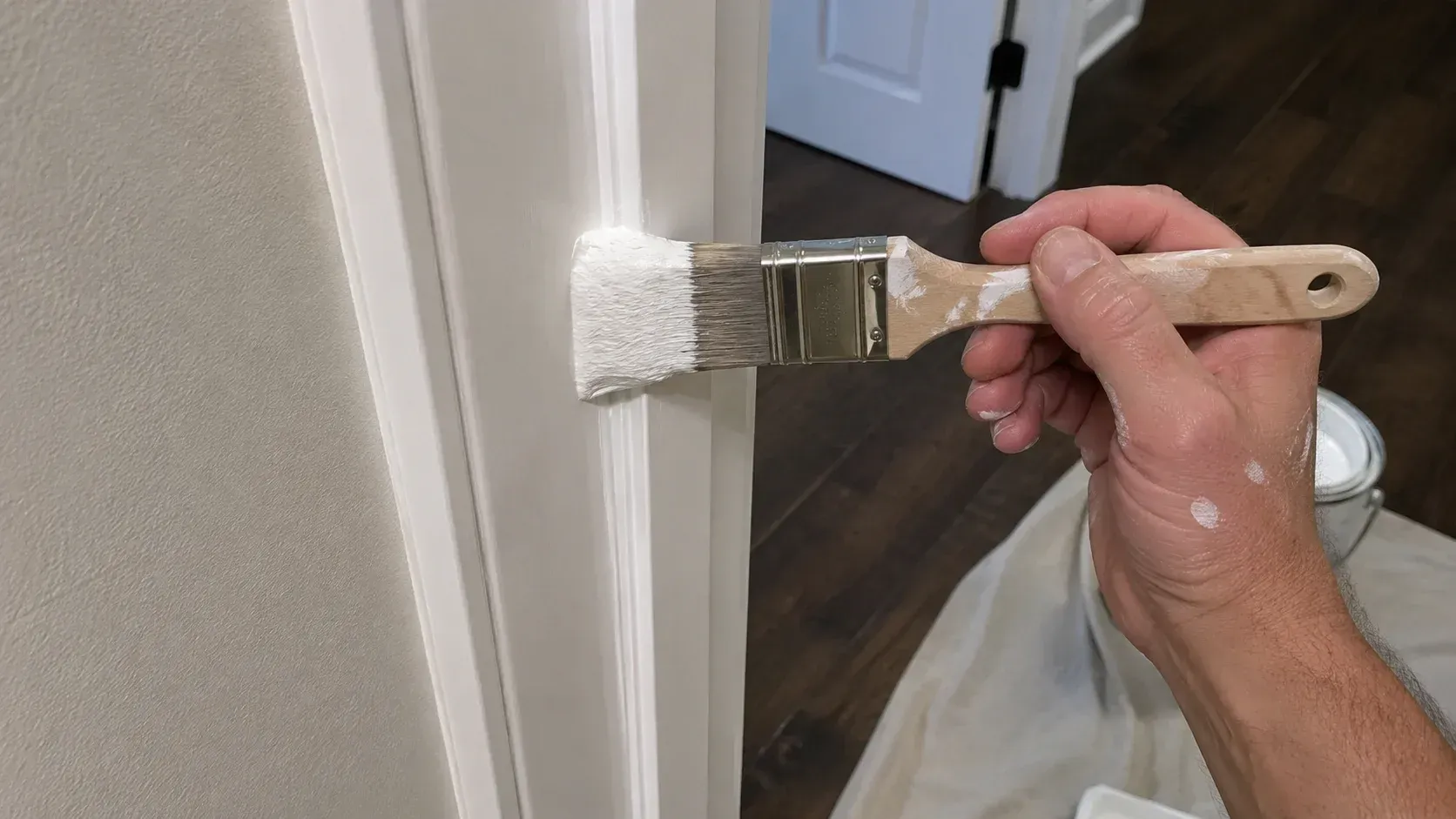
Paint can be applied using rollers for large areas and brushes for corners or trim lines. Applying two or more thin coats generally provides better coverage than a single thick layer.
Proper drying time between coats helps create a more even finish.
How Plaster Wall Coating Supports Interior Design Flexibility
Interior design often depends on the quality of wall surfaces. Plaster coatings provide a versatile base that works well with many decorative techniques.
Examples include:
- Matte or satin paint finishes
- Subtle textured surfaces
- Decorative plaster patterns
- Neutral color palettes
Because plaster surfaces are relatively smooth and uniform, they tend to reflect light more evenly than rougher wall materials. This can help create a balanced appearance throughout the room.
Interior designers may also use plaster coatings when restoring historic homes, where maintaining traditional construction materials is important.
Important Considerations Before Applying Plaster Wall Coating
Although plaster coatings provide several benefits, proper planning is necessary before beginning a project.
Drying and Curing Time
New plaster requires adequate curing time before painting. Painting too early can lead to uneven color or reduced paint adhesion.
Depending on the plaster type, curing may take several days or weeks.
Surface Condition
Existing walls should be evaluated for structural issues, water damage, or large cracks before applying plaster coatings.
Addressing these issues first helps prevent recurring surface problems.
Professional Application
Applying plaster evenly requires skill and experience. Inconsistent application may lead to visible ridges, uneven textures, or poor paint adhesion.
For complex surfaces or large interior projects, professional painters often handle plaster preparation and finishing.
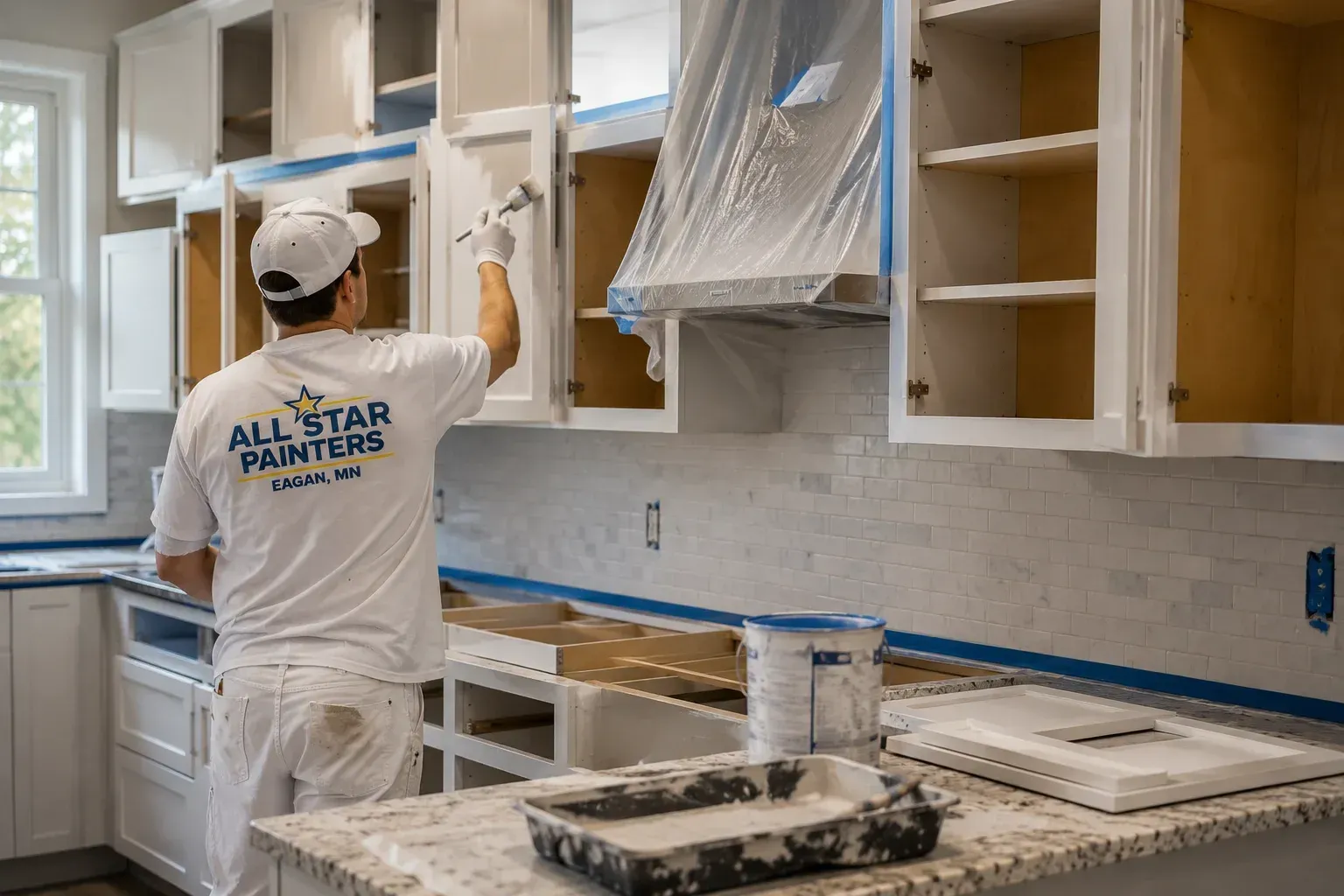
Companies such as All Star Painters, which provides interior and exterior painting services in Eagan, MN, may assist homeowners with surface preparation, plaster coatings, and painting applications when professional expertise is required.
Maintenance Tips for Long-Lasting Interior Surfaces
Maintaining plaster-coated walls can help preserve their appearance and function.
Some general maintenance practices include:
- Inspecting walls periodically for cracks or chips
- Touching up paint in high-traffic areas
- Cleaning walls with gentle, non-abrasive methods
- Addressing moisture sources that may affect wall surfaces
Minor cracks or imperfections can often be repaired using patching compound before repainting.
Routine maintenance helps extend the lifespan of interior wall finishes.
Conclusion
Plaster wall coating remains a practical option for interior wall finishing due to its ability to create smooth, durable surfaces that support a wide range of decorative treatments. When paired with appropriate primers and plaster paint, plaster coatings can help improve paint adhesion, surface consistency, and overall wall appearance.
However, successful results depend on proper surface preparation, curing time, and application techniques. Understanding these factors allows homeowners, designers, and contractors to make informed decisions when planning interior wall finishes.
Evaluating wall conditions, selecting compatible materials, and maintaining coated surfaces over time can contribute to longer-lasting and visually consistent interior spaces.
Book a Plaster Wall Coating Service
If you are considering plaster wall coating, plasterboard painting, or interior painting services, speaking with experienced professionals can help clarify material choices and application methods.
All Star Painters provides painting and surface preparation services for residential and commercial properties in Eagan, MN. Send us an email at eloy.allstars@gmail.com or call (612) 328-6418 to learn more about our services.
Requesting information about materials, preparation methods, and project timelines can help you make well-informed decisions about interior wall finishes.
Frequently Asked Questions
What is plaster wall coating used for?
Plaster wall coating is used to create a smooth and durable surface on interior walls. It helps prepare walls for painting, decorative finishes, or wallpaper while improving surface consistency.
Can plaster walls be painted directly?
Plaster walls can be painted, but primer is usually recommended first. Primer helps seal the porous surface and supports better adhesion for the paint.
How long should plaster dry before painting?
Drying time depends on the plaster type and environmental conditions. Many professionals recommend allowing plaster to cure fully, which may take several days or longer before applying paint.
Is plaster wall coating suitable for modern homes?
Yes. Plaster coatings are used in both traditional and modern interiors. They provide a smooth base that works well with many contemporary paint finishes and design styles.
How do you maintain plaster-coated walls?
Maintenance typically includes inspecting for cracks, repairing small imperfections, and repainting when needed. Keeping walls clean and controlling indoor moisture also helps preserve the surface.