What Should You Know Before Painting with Metal Materials?
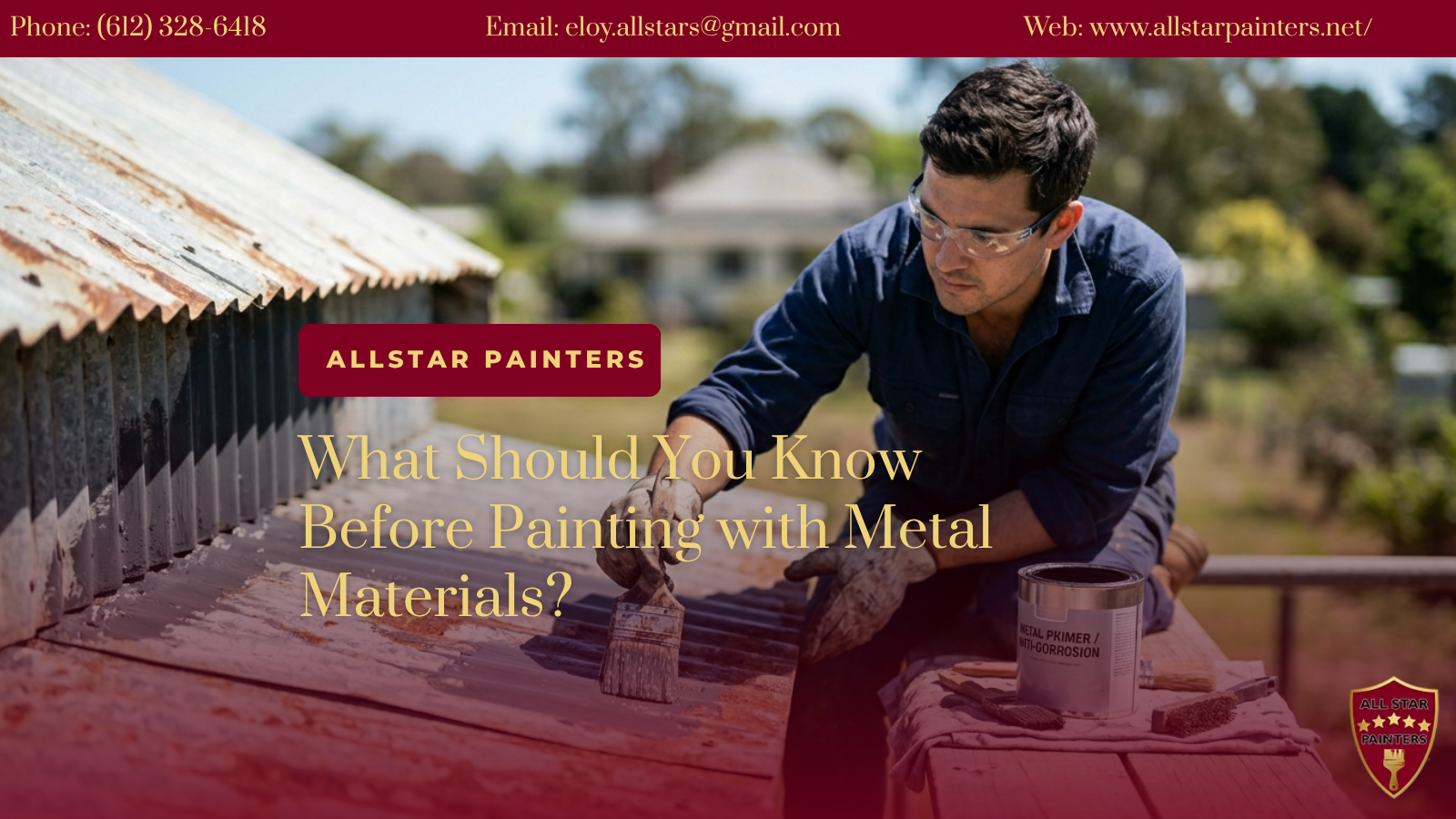
Table of Contents
- Introduction
- Understanding the Basics of Painting with Metal
- Why Surface Preparation Matters
- How to Choose the Right Primer for Metal
- Types of Paint for Metal Surfaces
- Application Techniques for Better Results
- Environmental Factors to Consider
- Common Mistakes to Avoid
- Maintenance and Longevity of Metal Paint
- Conclusion
- Book a Painting Service
- Frequently Asked Questions
Key Takeaways
- Proper surface preparation is essential when painting with metal to prevent peeling and corrosion
- Choosing the right primer improves adhesion and protects against rust
- Different metal types require specific paint products and techniques
- Environmental conditions can affect drying time and finish quality
- Maintenance and reapplication help extend the lifespan of painted metal surfaces
Introduction
Painting with metal requires careful preparation, the right materials, and proper application techniques to achieve a durable and consistent finish. Unlike wood or drywall, metal surfaces can corrode, resist adhesion, or react to environmental conditions if not treated correctly.
This topic is important for homeowners, DIYers, and property managers in Eagan, MN who want to protect and maintain metal features such as railings, siding, or structural components. Understanding the process helps reduce the risk of premature wear and supports long-term surface performance.
Understanding the Basics of Painting with Metal
Surface preparation is one of the most important steps in painting with metal. Without it, even high-quality paint may fail to bond properly.
Cleaning the Surface
Dirt, grease, and debris can prevent adhesion. Cleaning typically involves:
- Mild detergent or degreaser
- Water rinse and thorough drying
Removing Rust and Old Paint
Existing rust or peeling paint must be addressed before applying new coatings. Methods include:
- Sanding or wire brushing
- Using rust removers or converters
Smoothing and Etching
Sanding helps create a slightly rough surface that allows primer and paint to adhere more effectively. For some metals, chemical etching may also be recommended.
How to Choose the Right Primer for Metal
Primers play a key role in bonding paint to metal and protecting the surface from corrosion.
Types of Metal Primers
- Rust-inhibitive primers: Designed for steel and iron to prevent oxidation
- Etching primers: Suitable for smooth metals like aluminum
- Galvanized metal primers: Formulated for zinc-coated surfaces
Why Primer Selection Matters
Using the wrong primer can lead to peeling or uneven coverage. The primer should match both the type of metal and the environmental conditions the surface will face.
Types of Paint for Metal Surfaces
Exterior surfaces encounter additional challenges such as sunlight, rain, temperature changes, and environmental wear. Choosing the right finish can protect surfaces and maintain appearance over time.
- Flat and Matte: Can create elegant, understated looks on textured walls, masonry, or historic exteriors but may require more frequent touch-ups.
- Satin: Offers moderate durability and water resistance, suitable for siding and trim.
- Semi-Gloss and Gloss: Provide enhanced weather resistance and cleanability, ideal for doors, shutters, and metal or wood trim.
Selecting an exterior finish involves balancing aesthetic preference with functional requirements, such as weather exposure and long-term maintenance.
Choosing the Right Paint Finish for Your Project
When selecting a finish, consider the following factors:
Surface Type: Smooth vs textured surfaces may highlight imperfections differently.
Traffic Level: High-traffic areas benefit from durable finishes like satin or semi-gloss.
Moisture Exposure: Kitchens, bathrooms, and exterior walls may require washable, moisture-resistant finishes.
Lighting: Matte and flat finishes absorb light, while gloss finishes reflect it.
Maintenance Preferences: Consider how often surfaces will need cleaning or touch-ups.
Combining these considerations with knowledge of paint types allows property owners and professionals to make informed, practical choices for each project.
Environmental Factors to Consider
Conditions in Eagan, MN can influence how paint performs on metal surfaces.
Temperature and Humidity
- Moderate temperatures support proper drying
- High humidity can slow curing and affect adhesion
Exposure to Elements
Outdoor metal surfaces are exposed to:
- Rain and snow
- Sunlight and UV rays
- Temperature fluctuations
Choosing weather-appropriate products and timing the project carefully can help improve results.
Common Mistakes to Avoid
When painting with metal, certain mistakes can reduce the effectiveness of the project.
- Skipping surface preparation
- Using incompatible primers or paints
- Applying paint too thickly
- Ignoring drying times
- Painting in unsuitable weather conditions
Being aware of these issues helps improve consistency and reduces the need for rework.
Maintenance and Longevity of Metal Paint
Proper maintenance can extend the lifespan of painted metal surfaces.
Routine Inspection
Check for signs of:
- Chipping or peeling
- Rust formation
- Fading or discoloration
Cleaning and Touch-Ups
Periodic cleaning and minor touch-ups can help maintain appearance and prevent larger issues from developing.
Repainting Considerations
Over time, repainting may be necessary depending on environmental exposure and usage. Planning for maintenance helps preserve both function and appearance.
Conclusion
Painting with metal involves more than applying a coat of paint. It requires understanding the type of metal, preparing the surface thoroughly, selecting compatible primers and paints, and applying them under appropriate conditions.
By focusing on proper techniques and informed product selection, homeowners and professionals can improve the durability and appearance of metal surfaces. Taking a careful, step-by-step approach supports better long-term outcomes and reduces the likelihood of common issues.
Book a Painting Service
If you are considering painting with metal and want clear, practical guidance, All Star Painters provides information to help you evaluate your options. Send us an email at eloy.allstars@gmail.com or call (612) 328-6418 to learn more about our services.
This step is intended to support informed decision-making, whether you are planning a DIY project or exploring professional assistance.
Frequently Asked Questions
1. Do you always need a primer when painting with metal?
In most cases, a primer is recommended to improve adhesion and provide protection against corrosion, especially for bare or untreated metal.
2. What is the best paint for metal surfaces outdoors?
The best option depends on the metal type and exposure. Products labeled for exterior use and corrosion resistance are generally suitable.
3. Can you paint over rusted metal?
Painting over rust is possible after proper preparation, including removing loose rust and applying a rust-inhibiting primer.
4. How many coats of paint are typically needed for metal?
Most projects require at least two thin coats to achieve even coverage and durability.
5. Does weather affect painting with metal?
Yes, temperature and humidity can influence drying time and adhesion, so it is important to paint under suitable conditions.